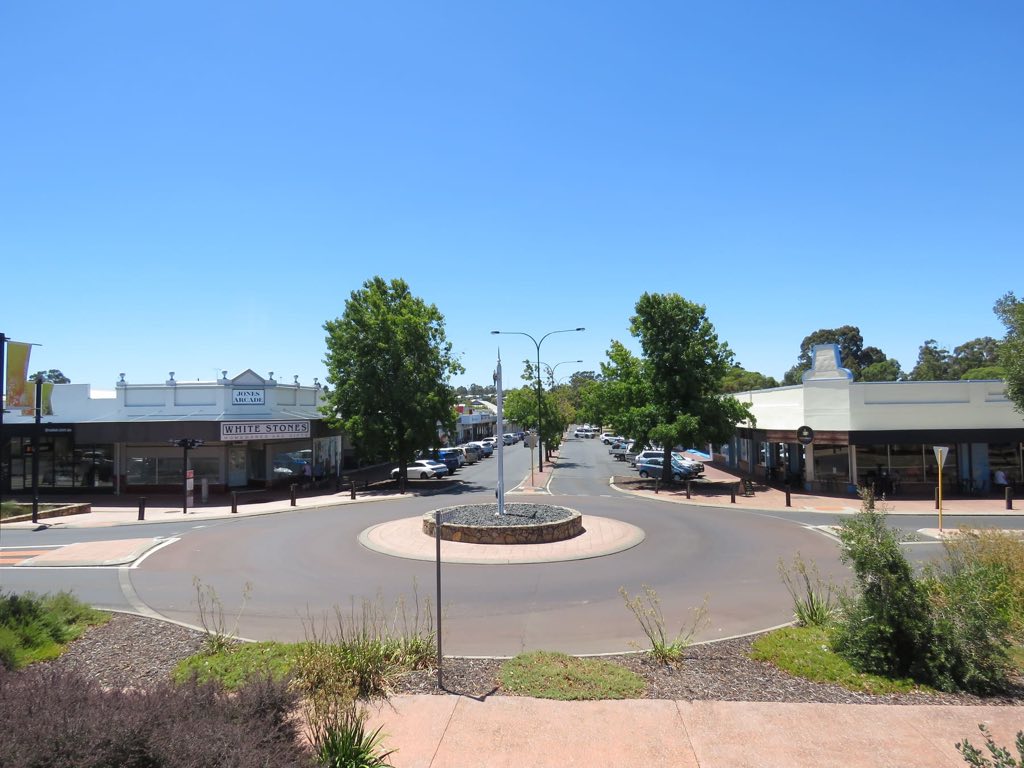
Collie has homes and outbuildings from many building periods. Age alone does not prove that a particular product contains asbestos, but WA Health advises that homes built before 1990 are likely to contain asbestos in some building products. Sellers should avoid visual guesses and use a competent person where identification matters.
This guide is general property-marketing information, not health, occupational safety, building, legal, disposal or valuation advice. Asbestos can cause serious disease when fibres are released. Do not disturb suspected material to prepare a home for sale. Use WA Health, WorkSafe, the Shire of Collie and appropriately licensed professionals for property-specific advice.
Understand where asbestos may be found
HealthyWA lists possible locations including wall and ceiling panels, eaves, roofs, fences, flooring and other building products. Garages, sheds and detached structures can be especially relevant because they may be older, weathered or renovated separately from the house.
Some asbestos-containing material is hidden beneath newer finishes. A fresh wall lining, floor covering or roof coating does not establish what is underneath. If a seller has a past inspection, laboratory result, renovation report or removal record, include it in the property file with its date and scope.
Official source: HealthyWA — asbestos in and around the home, checked 25 September 2026.
Do not identify material from a photograph
Asbestos is not reliably confirmed by colour, age or texture alone. A competent person can assess suspected material and advise whether laboratory testing is appropriate. The sample itself must be taken safely; breaking a piece from a wall, fence or roof for convenience can release fibres.
If an inspection is arranged, give the assessor accurate access and explain known renovation history. Ask for a written record that identifies the areas inspected, limitations, samples and results. A report covering an external shed should not be represented as a whole-house clearance.
Never sand, drill, cut, scrape, pressure-clean or dry-brush suspected asbestos material. Pause the cosmetic job and obtain qualified advice.
Prioritise damaged or deteriorating material
HealthyWA says asbestos cement in good condition is generally safe when left undisturbed, but damaged, deteriorating or disturbed material can release fibres. Weathered roofs, broken fence panels, fire damage and demolition debris need professional attention before trades, photographers or buyers move through the area.
Secure the location and stop unrelated work until the risk is assessed. Do not ask a gardener, handyman or photographer to move broken sheets. If the seller decides not to remove intact material, keep the professional assessment and maintenance advice with the campaign records.
Use appropriately licensed removal professionals
WorkSafe states that removal of more than 10 square metres of non-friable asbestos or any amount of friable asbestos must be carried out by a licensed asbestos removalist. It strongly recommends professional removal even where a smaller amount of intact non-friable material may fall below the licensing threshold.
Verify a contractor through the official licence search before work begins. Confirm whether local approval, notification, air monitoring or a clearance inspection applies. Keep the quote, scope, waste documentation, licence details, invoice and any clearance certificate.
Official source: WorkSafe — asbestos workers and removalists, updated 29 May 2026.
Never use high-pressure cleaning or power tools
WorkSafe prohibits dangerous methods that can release airborne fibres, including high-speed power tools, high-pressure water, compressed air and dry sweeping of asbestos-containing dust. That matters before a sale because ordinary “clean-up” work can turn stable material into a contamination problem.
Roof washing, fence sanding and drilling to attach signs or lights should be stopped where asbestos may be present. Ask a competent person for a safe method. Southside Media can photograph an older home without asking the seller to create a freshly cleaned but unsafe surface.
Official source: WorkSafe — removing asbestos, updated 29 May 2026.
Plan lawful disposal before starting work
Asbestos must not go into an ordinary kerbside bin or general skip. Contact the Shire of Collie and the removal contractor about the current approved disposal route, packaging and fees before any material is disturbed. The Shire's waste information should be checked again on the day because accepted materials and conditions can change.
A disposal receipt helps document that material was handled through an appropriate facility. Photographing a pile of removed sheets is not a substitute for transport and disposal records, and leftover fragments should not remain around the home or garden.
Local source: Shire of Collie — waste management, checked 25 September 2026.
Prepare the seller and agent records
WorkSafe's homeowner guidance says asbestos is recognised by Consumer Protection as a material fact for the purposes of the Real Estate and Business Agents Code of Conduct and Australian Consumer Law. The seller should tell the licensed agent about known reports, identified material, past removal and unresolved concerns so the professional team can determine the correct disclosure and contract process.
Do not replace a report with a vague statement such as “probably fibro” or “all removed”. State the professional, date, area and result. If some areas were not inspected, preserve that limitation rather than implying a complete assessment.
Official source: WorkSafe — homeowners and tenants, updated 29 May 2026.
Photograph the property without concealing condition
Professional photography can make an older home feel clean, spacious and well cared for without hiding known material. Complete safe cleaning and ordinary maintenance first. Do not digitally replace a roof, remove damaged fencing or erase a shed to avoid a buyer question.
Southside Media can choose angles that present the home clearly while respecting restricted areas identified by the assessor. If removal work is scheduled, complete it and any required clearance before the shoot rather than producing images that no longer match the property.
Video should not show people touching, drilling or leaning against suspected material. A calm sequence of the street, living spaces, maintained garden and relevant outbuildings is more useful than close-ups that encourage viewers to make their own diagnosis.
Build a buyer-ready asbestos file
- Building age and renovation history supported by available records.
- Inspection reports and laboratory results with scope and date.
- Quotes and advice for material not yet removed.
- Licensed removalist details and approved work scope.
- Removal invoices, disposal receipts and clearance documents.
- Plans or photographs showing which area each record covers.
- A list of uninspected or uncertain areas.
- Contact details for the licensed agent and relevant professional.
Give the full file to the licensed agent and settlement professional. They can decide which records must be provided, how statements should be worded and whether further advice is needed. Remove personal details from buyer-facing copies but do not remove limitations or material findings.
Keep market figures separate from remediation costs
REIWA's Collie profile, updated 14 September 2026 for the 12 months ending August 2026, reported a $540,000 median house sale price and a 15-day median selling time. These are suburb-level settled-sales statistics, not a valuation of an individual older home or the cost of asbestos assessment and removal.
A licensed appraisal should use relevant comparable sales and consider the property's condition, records, completed work and buyer response. Do not simply subtract a contractor quote from the median or add the full removal cost to an expected price.
Market source: REIWA Collie suburb profile, data updated 14 September 2026.
Complete a safe pre-launch review
Before the first inspection, confirm that suspected areas are stable, restricted work is finished, debris is removed and the agent has the relevant records. Give buyers a clear path for their own building and asbestos enquiries without offering a health guarantee.
Our older Collie home presentation guide covers the wider campaign. If renovations have been completed, also use the Collie approval-records checklist.
Good asbestos preparation is not about alarming buyers or concealing age. It is about protecting people, organising evidence and presenting an older Collie home with the accuracy buyers need to make an informed decision.
Prepare an older Collie home safely
Request a free property appraisal introduction and marketing review. A licensed professional can assess comparable sales while the marketing review plans accurate photography, video and buyer information.
Request a free property appraisal